Top 10 Medical Device Vulnerabilities with Myles Kellerman | Ep. 38
Featured Guest
Episode Summary
This episode of The Med Device Cyber Podcast delves into the 10 most common and dangerous cybersecurity vulnerabilities identified during penetration testing of real-world medical devices. Hosts highlight that unlike traditional cybersecurity, medical device security directly impacts patient safety, introducing "harm" as a critical factor in risk assessment alongside confidentiality, integrity, and availability. The discussion covers hard-coded credentials, unsecured communication channels, and outdated third-party components, emphasizing the importance of SBOM analysis and continuous post-market monitoring. Improper access control, debug interfaces left enabled, and missing firmware integrity checks are also explored, with practical examples of their exploitation and mitigation strategies. The episode further addresses poor session management, fuzzing techniques to uncover buffer overflows and denial-of-service vulnerabilities, tamper detection mechanisms (both physical and logical), and the critical need for rate limiting to prevent brute-force attacks. The hosts stress the proactive adoption of a secure product development framework (DevSecOps) and adherence to standards like IEC 62304 and 81001-5-1 to embed security from design, noting that regulatory bodies like the FDA demand consistent safety, not just "most of the time."
Key Takeaways
- 01Penetration testing simulates malicious hacker activities to identify and fix vulnerabilities in medical devices *before* they reach the market, ensuring safer products.
- 02Medical device cybersecurity fundamentally differs from traditional IT security by incorporating "harm" as a primary risk factor, alongside confidentiality, integrity, and availability, due to direct patient safety implications.
- 03Hard-coded or default credentials, often found during static code analysis or physical device testing, represent a prevalent and easily exploitable vulnerability that can grant unauthorized access.
- 04Unsecured communication channels, including those with no encryption or reliance on outdated encryption standards, frequently expose sensitive patient data and device functionality to interception or compromise.
- 05Outdated or vulnerable third-party components, necessitating continuous SBOM analysis and post-market monitoring, are a persistent source of risk even after a device has been cleared for market.
- 06Improper access control, encompassing both logical and physical vulnerabilities, frequently allows unauthorized users to gain elevated privileges or access sensitive data, highlighting the need for rigorous testing of user roles and permissions.
- 07The proactive implementation of a secure product development framework, such as DevSecOps, and adherence to relevant standards like IEC 62304 and 81001-5-1 are crucial for embedding security early in the design phase, thus reducing vulnerabilities and associated remediation efforts.
- 08Effective tamper detection, combining robust audit trails for logical events and physical tamper-evident seals, is critical for identifying and mitigating unauthorized modifications to medical devices.
- 09Implementing rate limiting and automation controls is essential to prevent brute-force attacks that exploit weak or common passwords, thereby bolstering authentication security.
- 10Debug interfaces (e.g., JTAG, UART) left enabled or unsecured in production devices pose significant risks, potentially enabling complete system takeover, and must be properly authenticated or physically protected.
- 11Missing or weak firmware integrity checks (e.g., secure boot, code signing) leave devices vulnerable to unauthorized firmware modifications, emphasizing the need for comprehensive white-box penetration testing during development.
Frequently Asked Questions
Quick answers drawn from this episode.
-
This episode of The Med Device Cyber Podcast delves into the 10 most common and dangerous cybersecurity vulnerabilities identified during penetration testing of real-world medical devices.
-
Penetration testing simulates malicious hacker activities to identify and fix vulnerabilities in medical devices *before* they reach the market, ensuring safer products. Medical device cybersecurity fundamentally differs from traditional IT security by incorporating "harm" as a primary risk factor, alongside confidentiality, integrity, and availability,...
-
This episode covers SBOM Management and Penetration Testing. It's part of The Med Device Cyber Podcast, hosted by Blue Goat Cyber, focused on practical medical device cybersecurity guidance for MedTech teams.
-
The discussion covers hard-coded credentials, unsecured communication channels, and outdated third-party components, emphasizing the importance of SBOM analysis and continuous post-market monitoring. It's most useful for medical device manufacturers, cybersecurity engineers, regulatory affairs professionals, and MedTech founders...
-
Penetration testing simulates malicious hacker activities to identify and fix vulnerabilities in medical devices *before* they reach the market, ensuring safer products.
Listeners also asked
Quick answers pulled from related episodes.
-
What does Episode 59 cover about "The Hidden Cybersecurity Risks When Doctors Use AI Diagnostics"?
Episode 59 of The Med Device Cyber Podcast covers The Hidden Cybersecurity Risks When Doctors Use AI Diagnostics.
From Episode 059 · The Hidden Cybersecurity Risks When Doctors Use AI Diagnostics | Ep. 58 -
What does Episode 13 cover about "Postmarket Surveillance and Anomaly Detection for Medical Devices"?
Episode 13 of The Med Device Cyber Podcast covers Postmarket Surveillance and Anomaly Detection for Medical Devices.
From Episode 013 · Postmarket Surveillance and Anomaly Detection for Medical Devices | Ep. 12 -
What does Episode 27 cover about "Why Cybersecurity and Quality Are One and the Same"?
Episode 27 of The Med Device Cyber Podcast covers Why Cybersecurity and Quality Are One and the Same.
From Episode 027 · Why Cybersecurity and Quality Are One and the Same | Ep. 26
Hosted by


Related Topics
Explore every episode in the topics covered here.
Software Bills of Materials for medical devices: generation, monitoring, and using SBOMs as a continuous security tool, not a checkbox.
Browse SBOM episodes →Device, network, wireless, and protocol penetration testing for medical devices - what to scope, who to trust, and how to report it.
Browse Pen Testing episodes →More from your hosts
Other episodes diving into Christian and Trevor's areas of focus.




More like this
Episodes covering similar ground - including SBOM, Pen Testing.
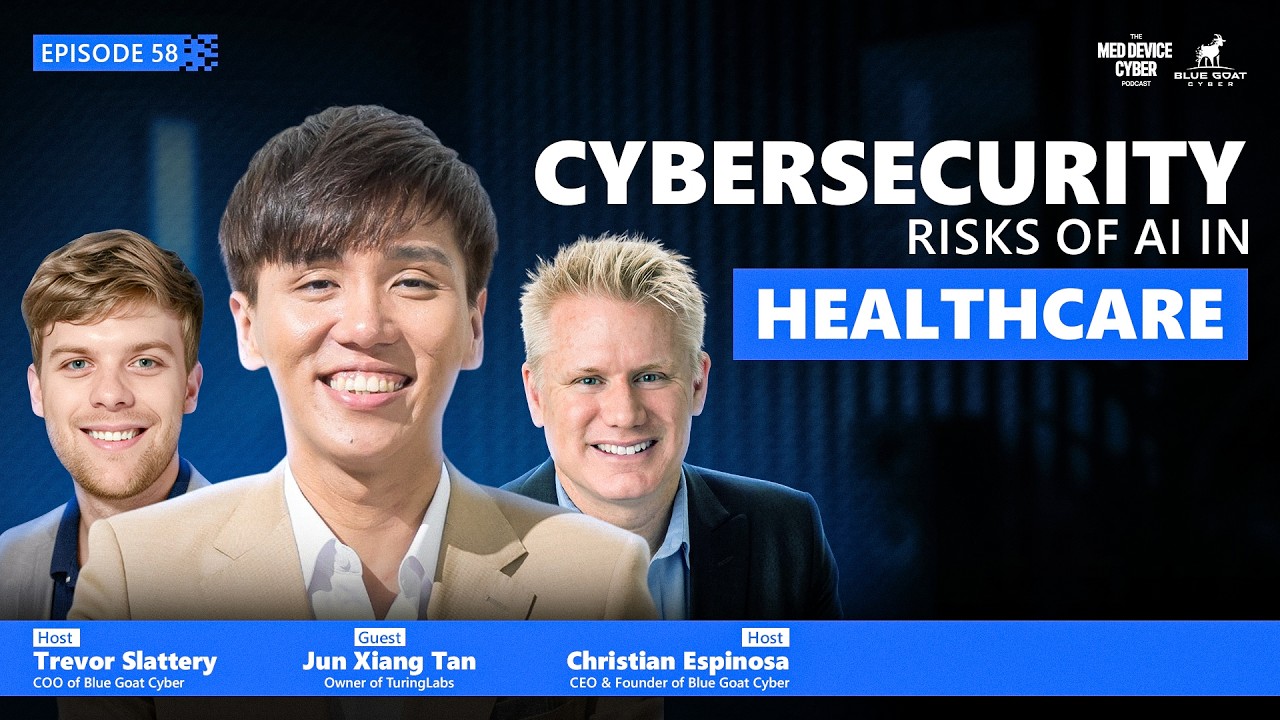
Why this matches covers similar themes around unauthorized, outdated, code.

Why this matches shares the SBOM and Pen Testing topics and covers similar themes around penetration, third-party, vulnerabilities.

Why this matches shares the SBOM topic and covers similar themes around left, access, components.

Why this matches shares the SBOM and Pen Testing topics and covers similar themes around cleared, communication, monitoring.